

Online Therapy FAQs
Getting Started
-
Online therapy (also called teletherapy or virtual therapy) is counselling/psychotherapy provided through secure video sessions (and sometimes phone sessions). It’s the same kind of confidential, professional support you would receive in-person, delivered remotely so you can meet from home, work, or anywhere private.
-
Yes. Online therapy isn’t a shortcut, it’s a different setting. Many people are surprised by how quickly they feel connected and supported once they get started.
-
For many concerns, online therapy can be just as effective as in-person therapy. What matters most is having a good fit with your therapist, clear goals, and a safe, private space to meet.
-
Online therapy can support a wide range of concerns, including:
• Stress, anxiety, panic, burnout, and overwhelm
• Low mood, depression, and feeling stuck
• Grief, loss, and major life transitions
• Relationship conflict and communication challenges
• Family tension, parenting stress, and co-parenting difficulties
• Trauma-related stress and emotional triggers (when appropriate for online care) -
Online therapy may be a good fit if you value convenience, privacy, and flexibility, or if travel, work hours, or family responsibilities make it difficult to attend in-person sessions. If you’re unsure, a brief consultation can help you decide.
Safety, Privacy, and Confidentiality
-
Yes. Confidentiality rules are the same as in-person therapy. Your therapist is responsible for protecting your privacy and explaining the limits of confidentiality (for example, if there is risk of harm).
-
A few simple steps make a big difference:
• Choose a private room where you won’t be overheard
• Use headphones for extra privacy and clearer sound
• Let others at home know you need uninterrupted time
• Avoid public Wi‑Fi when possible
• Close other apps and silence notifications to minimise distractions -
This is common. Options include meeting from a parked car, using a private room at a trusted location, scheduling when others are out, or using white noise outside the door. If privacy is hard to arrange, tell us, we’ll help you problem-solve.
-
Online therapy is not an emergency service. If you are in immediate danger or feel unable to keep yourself safe, contact your local emergency number or go to the nearest emergency department. If you’re unsure what to do, reach out and we’ll help you identify appropriate supports.
What to Expect in Sessions
-
The first session is a supported starting point. You can expect:
• A conversation about what brought you in and what you want to be different
• Questions that help your therapist understand your situation and strengths
• A discussion of goals and what progress could look like
• A review of confidentiality, consent, and practical details
You don’t need to prepare a perfect story. You can start wherever you are. -
Therapy is collaborative. Your therapist may offer guidance, tools, and perspectives, but you remain the expert on your life. Together, you’ll decide what feels realistic and helpful.
-
Many clients start weekly or biweekly and adjust over time. Sessions usually last 50 minutes. Your therapist will recommend a rhythm that supports your goals and budget.
-
That’s okay. Online therapy is still a space for real feelings. Your therapist will help you slow down, stay grounded, and leave the session feeling as steady as possible.
Couples and Family Sessions Online
-
Yes. Couples often find online sessions helpful because it’s easier to attend consistently and practise changes at home in real time. Online couples therapy can support communication, identify conflict patterns, repair trust, and foster emotional reconnection.
-
Yes. Online family therapy can support healthier communication, reduce repeated conflict, and strengthen connections.
-
Often, while this is ideal, sometimes couples and family members are travelling or living in different places. If you’re in different locations, let us know. We can discuss what’s possible and what will best support the work.
Technology and Setup
-
Most people only need:
• A stable high-speed internet connection
• A phone, tablet, or computer with a camera and microphone
• A private, quiet space
• Headphones (recommended) -
This happens sometimes. Before you begin, we’ll agree on a simple backup plan, often reconnecting for a few minutes and switching to phone or another online meeting service if needed. If the session can’t continue safely, we’ll reschedule.
-
A few small habits can help:
• Arrive a few minutes early to settle and check your connection
• Put your device at eye level so you can be comfortable and present
• Choose a space where you can speak openly
• Between sessions, jot down what you want to remember or practise
• Be honest about what is (and isn’t) working, therapy can be adjusted
Choosing a Therapist and Next Steps
-
Fit matters. Consider:
• Do you feel safe, respected, and understood?
• Does the therapist have experience with the concerns you’re bringing?
• Do the approach and style feel workable for you?
• Are scheduling and communication clear?
If it doesn’t feel like a fit, it’s okay to say so and explore other options. A good therapist will support that process. -
That’s completely normal. You don’t need the “right words.” You can start with what’s been hardest lately, what you’re hoping will change, or even just: “I’m not sure where to begin.”
-
Ready to take the next step?
• Book a free consultation here.
• Or contact us.
Questions before getting started? Get in touch.

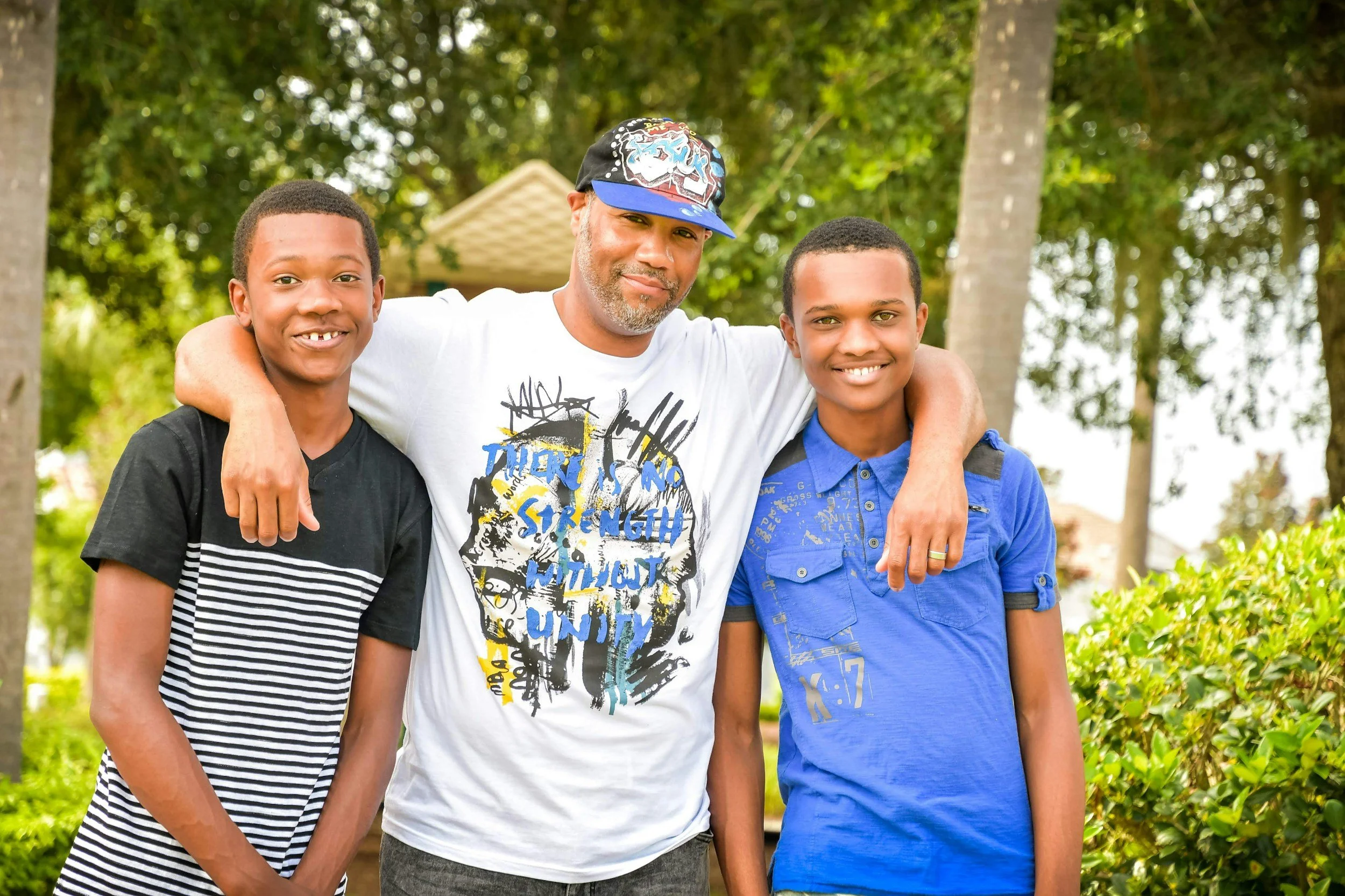
"I know me and the kids were all concerned about meeting you online, you were so warm, fun, and safe that made a difference for us. With your guidance, we got a chance to work on the problems we were experiencing."
— FAMILY THERAPY CLIENT