

Child and Adolescent Therapy
Therapy for Children and Adolescents Ages 9 and Up
Children and adolescents can experience emotional, behavioural, social, family, and school-related challenges that affect how they feel, relate to others, and function in everyday life.
At The Relational Practices, we provide therapy for children and adolescents from age 9 in Barbados and across the Caribbean region.
Our approach considers the young person within the wider context of their family, school, friendships, community, and developmental stage. We do not focus only on symptoms. We work to understand what may be contributing to the difficulty and what support the child, adolescent, and family may need.
What Concerns Can Child and Adolescent Therapy Help With?
We work with children and adolescents experiencing concerns such as:
Anxiety, worry, and fears
Depression, sadness, or low mood
Trauma and distressing life experiences
Difficulty managing emotions
School adjustment difficulties
Academic stress or concerns
ADHD-related challenges
Bullying and peer difficulties
Social skills and friendship challenges
Family conflict
Separation, divorce, remarriage, or other family transitions
Grief and loss
Low self-esteem or confidence
Identity concerns
Behavioural changes
Self-harm or suicidal thoughts
Stress related to adolescence and growing independence
Difficulties adjusting to major life changes
Sometimes parents know exactly what is concerning them. At other times, they may simply notice changes in mood, behaviour, school performance, concentration, sleep, friendships, or family relationships.
Our Approach to Child and Adolescent Therapy
Our work is holistic, relational, and developmentally appropriate.
We recognise that children and adolescents are influenced by the relationships and systems around them. Their wellbeing may be affected by what is happening at home, at school, with peers, and within their wider social environment.
Therapy therefore considers the young person as part of these interconnected relationships rather than viewing the problem as existing only within the child or adolescent.
ADHD Support for Children and Adolescents
Children and adolescents with ADHD may experience difficulties with attention, organisation, emotional regulation, impulse control, school performance, relationships, and self-confidence.
Our work focuses not only on the symptoms of ADHD, but also on how these challenges affect the young person's everyday life at home, at school, and in relationships.
ADHD support may include helping children, adolescents, and families to:
Better understand how ADHD affects the young person
Develop practical strategies for attention, organisation, and completing tasks
Strengthen emotional regulation and coping skills
Address frustration, low self-esteem, or feelings of failure
Improve communication between young people and their parents or caregivers
Navigate school and academic challenges
Strengthen social and relationship skills
Develop routines and supports that fit the young person's needs
Where appropriate and with consent, our clinicians may also collaborate with parents, caregivers, teachers, and other professionals involved in the young person's care.
Family Involvement Matters
Parents and caregivers are often important partners in therapy.
Depending on the young person's age, needs, and circumstances, therapy may involve:
Individual sessions with the child or adolescent
Parent or caregiver consultations
Family therapy sessions
Parenting support
Collaborative planning between the therapist, young person, and caregivers
Our goal is to help families better understand what the young person may be experiencing and strengthen the support available at home.
Working With Schools
School is a major part of a child or adolescent's life, and difficulties there can affect emotional wellbeing.
Where appropriate and with consent, our clinicians can collaborate with teachers, school counsellors, and other school personnel to better understand the young person's needs and support their functioning at school.
This may be particularly helpful when there are concerns related to:
School adjustment
Academic performance
ADHD and attention difficulties
Bullying
Peer relationships
Behavioural changes
Emotional distress
Transitions between schools or educational stages
Trauma-Focused Care
Some children and adolescents come to therapy following traumatic, overwhelming, or distressing experiences.
Our clinicians use trauma-focused approaches that consider how these experiences may affect emotions, behaviour, relationships, concentration, and a young person's sense of safety.
All of our clinicians are either EMDR trained or EMDR certified. Eye Movement Desensitisation and Reprocessing, or EMDR, may be used with children and adolescents when it is developmentally appropriate and clinically suitable.
Strengthening Relationships and Building Skills
Therapy can help children, adolescents, and families develop:
Better emotional awareness
Healthier ways of coping with stress
Improved communication
Stronger family relationships
Increased confidence
Better problem-solving skills
Improved emotional regulation
Greater resilience when facing future challenges
The goal is not simply to reduce a symptom. We want to help young people and their families develop skills and relationships that support longer-term wellbeing.
Child and Adolescent Therapy in Barbados and Across the Caribbean
The Relational Practices provides therapy for children and adolescents ages 9 and up in Barbados and across the Caribbean region.
Virtual therapy is available where appropriate, and selected bespoke in-home services are also available in Barbados.
Our clinicians work with young people and their families in ways that are respectful of their developmental stage, relationships, culture, and wider Caribbean context.
What Happens When You Contact Us?
If you are concerned about your child or teenager but are unsure what type of support they need, you can schedule a complimentary consultation with our Client Care Coordinator.
We will learn more about your concerns, explain the services we offer, and help determine which clinician and type of therapy may be the best fit for your child and family.
Ready to get started?
Contact The Relational Practices to schedule a complimentary consultation and learn more about child and adolescent therapy for ages 9 and up.
Frequently asked questions
-
We provide therapy for children and adolescents from age 9 and up.
Our approach is adapted to the young person’s age, developmental stage, needs, and family context.
-
We work with a range of concerns, including:
Anxiety and excessive worry
Depression and low mood
Trauma and distressing experiences
ADHD-related challenges
Emotional regulation difficulties
Bullying and peer problems
School adjustment and academic stress
Family conflict
Separation, divorce, and other family transitions
Grief and loss
Low self-esteem
Social difficulties
Behavioural changes
Self-harm or suicidal thoughts
Identity concerns
Major life changes
Parents sometimes seek support because they have noticed a change in their child’s mood, behaviour, school performance, friendships, or relationships at home.
-
Yes. Parents and caregivers are often important partners in the therapeutic process.
Depending on the young person’s age and needs, therapy may include individual sessions, parent consultations, family sessions, parenting support, or a combination of these.
The level of parent involvement is discussed with the family and balanced with the young person’s need for privacy and a safe therapeutic relationship.
-
Yes, but confidentiality works somewhat differently when therapy involves a child or adolescent.
Your clinician will explain what information remains private, what may be shared with parents or caregivers, and the circumstances in which confidentiality may need to be broken for safety or legal reasons.
-
Yes. We provide support for children and adolescents experiencing ADHD-related challenges.
Therapy may focus on areas such as attention, organisation, emotional regulation, impulse control, school difficulties, self-esteem, relationships, and communication within the family.
Where appropriate and with consent, our clinicians may also collaborate with parents, teachers, and other professionals involved in the young person’s care.
-
Therapy for ADHD-related concerns and formal diagnostic assessment are not always the same service.
If a child or adolescent needs a formal ADHD assessment or diagnosis, we can discuss the most appropriate next steps and whether referral to another professional is needed.
-
Yes. With appropriate consent, our clinicians may collaborate with teachers, school counsellors, and other school personnel.
This can be helpful when concerns involve school adjustment, academic performance, ADHD, bullying, peer relationships, behaviour, or emotional difficulties at school.
-
Yes. Our clinicians use trauma-focused approaches when working with children and adolescents who have experienced traumatic, overwhelming, or distressing events.
We consider how these experiences may affect emotions, behaviour, concentration, relationships, and a young person’s sense of safety.
-
Yes. All of our clinicians are either EMDR trained or EMDR certified.
Eye Movement Desensitisation and Reprocessing, or EMDR, may be used with children and adolescents when it is developmentally appropriate and clinically suitable.
Your clinician will assess whether EMDR is a good fit for the young person’s needs and treatment goals.
-
No.
Therapy is paced according to the young person’s needs, readiness, and developmental stage. A child or adolescent is not expected to immediately discuss every detail of a difficult or traumatic experience.
Building trust, safety, coping skills, and a strong therapeutic relationship are important parts of the process.
-
The first stage usually involves learning more about the concerns that have led the family to seek support.
Depending on the young person’s age and circumstances, the clinician may meet with parents or caregivers, the young person, or both.
The clinician will gather information about the young person’s emotional wellbeing, relationships, school experience, strengths, family context, and therapy goals.
-
There is no fixed length of therapy.
Some concerns may respond to relatively brief work, while more complex, longstanding, or trauma-related difficulties may require more time.
Your clinician will review progress and treatment goals with you throughout the process.
-
Yes. We provide virtual therapy for children and adolescents in Barbados and across the Caribbean region when online therapy is clinically appropriate.
Suitability may depend on the young person’s age, needs, ability to engage online, privacy at home, and the concerns being addressed.
-
Selected bespoke in-home therapy services are available in Barbados.
Our Client Care Coordinator can explain the available options and help determine what may be appropriate for your child or adolescent.
-
You may want to consider therapy if emotional, behavioural, social, or school-related difficulties are persistent, becoming more severe, or interfering with everyday life.
You may also notice changes in sleep, mood, friendships, school performance, behaviour, confidence, or family relationships.
If you are unsure, you can begin with a complimentary consultation to discuss your concerns.
-
The first step is to schedule a complimentary consultation with our Client Care Coordinator.
We will learn more about your concerns, answer questions about our services, and help determine which clinician and type of support may be the best fit for your child and family.
Our Services
-

Individual Therapy
-
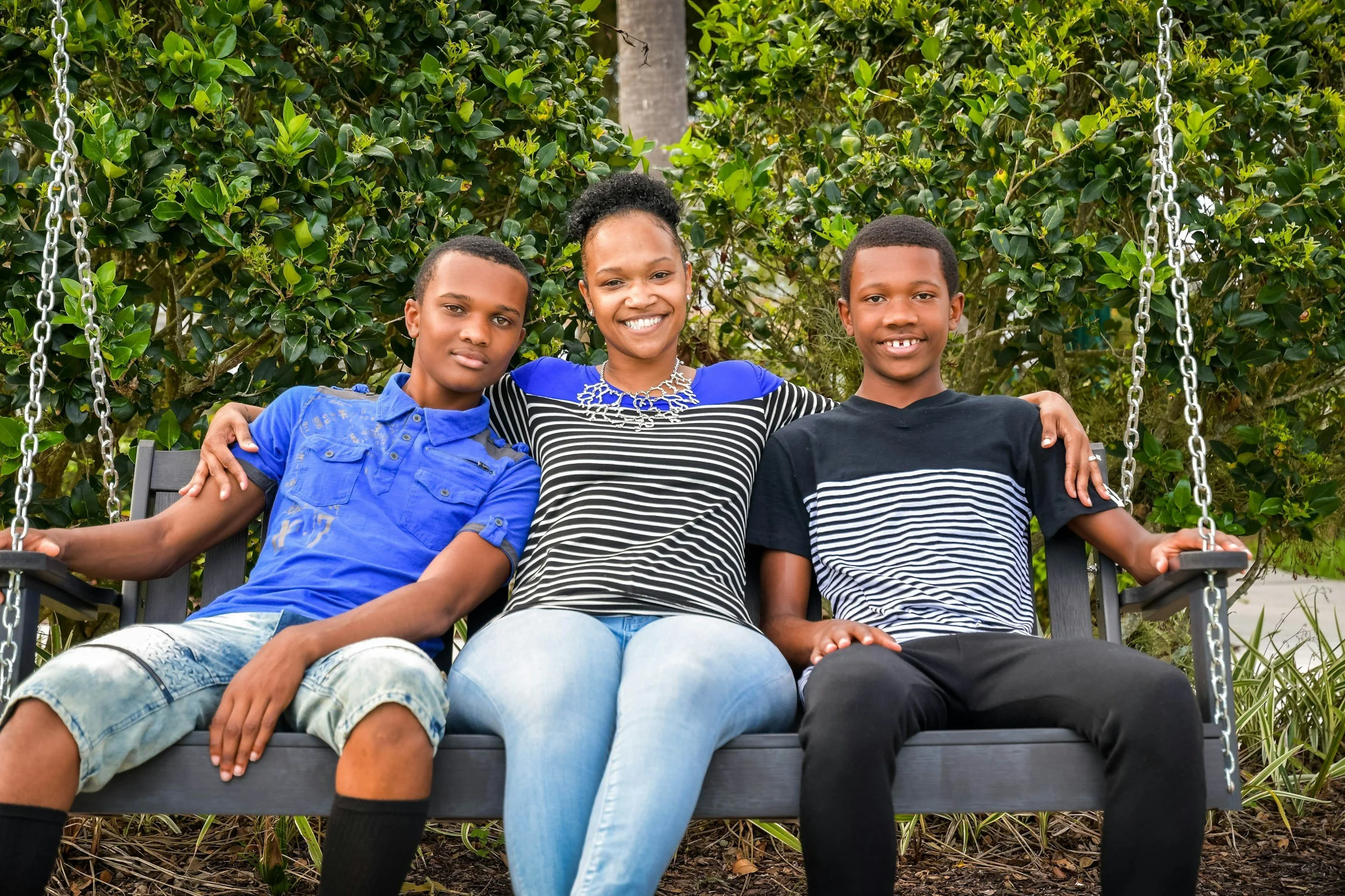
Child and Adolescent Therapy
-

Couples Therapy
-
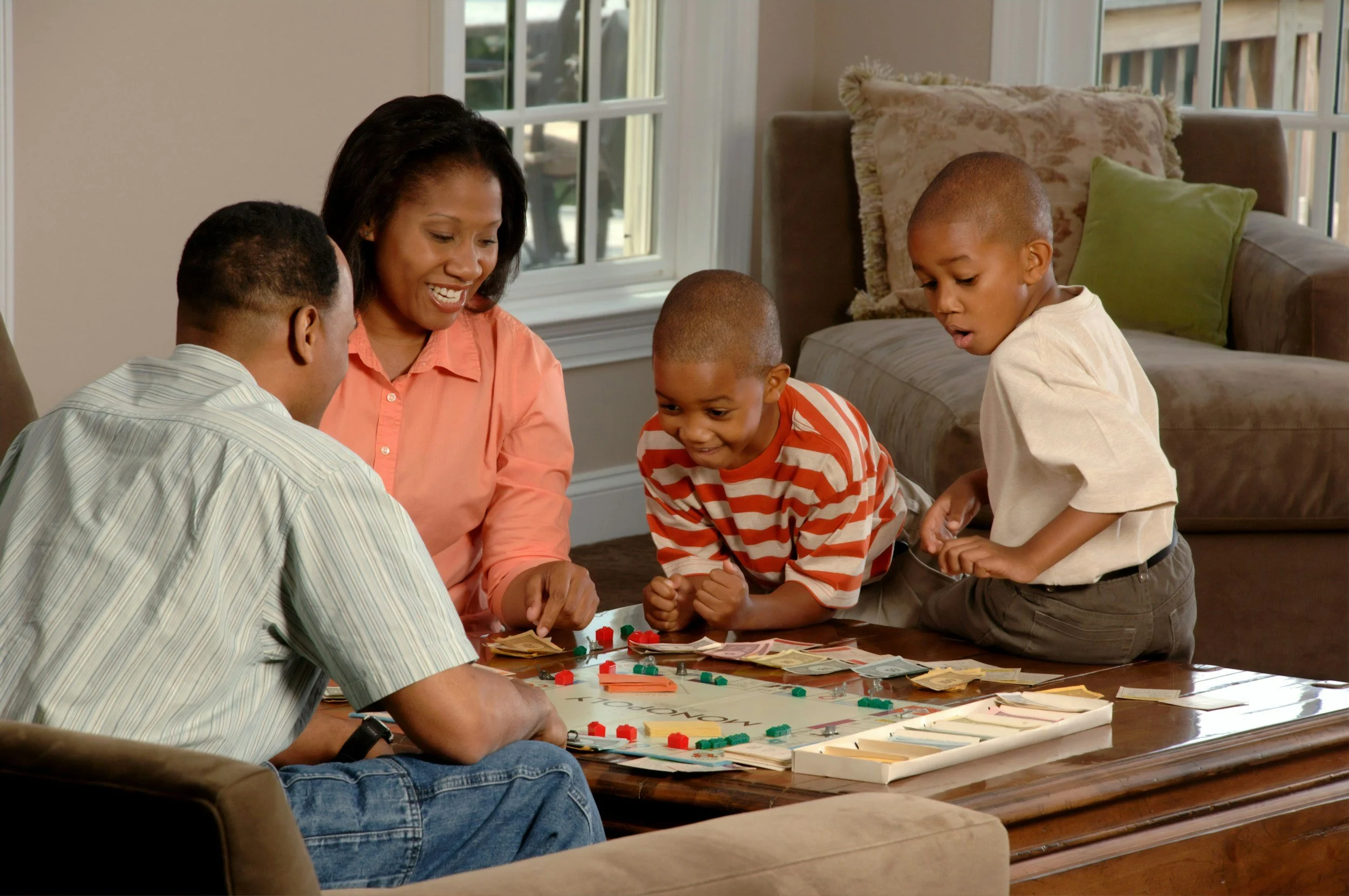
Family Therapy
-

Couples Therapy Intensives
-

Trauma Intensives